Nuclear Micro-Reactors: The Tiny Power Plants Restructuring Energy in 2025
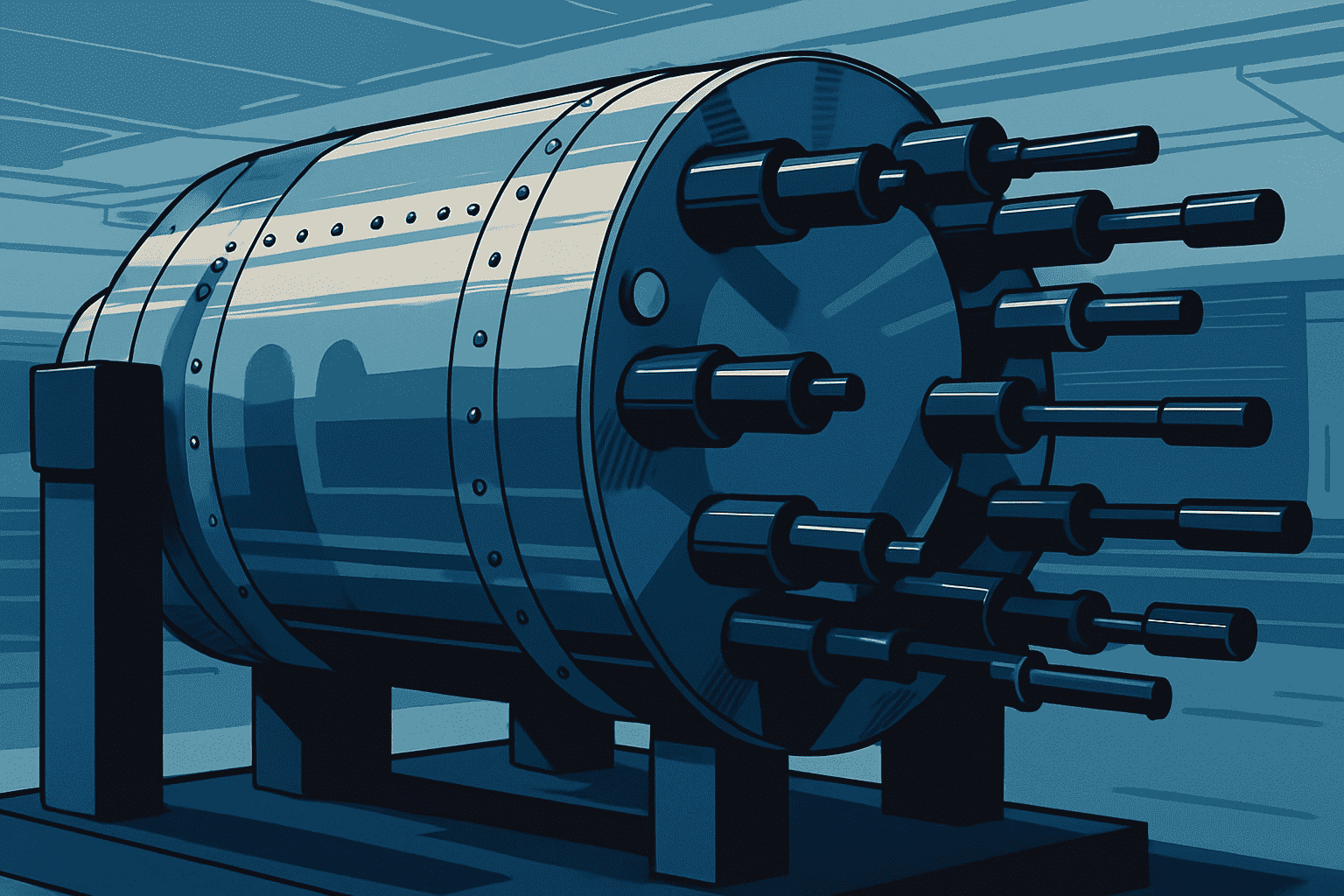
The Energy Revolution In A Compact Package
How miniaturized nuclear technology is transforming our energy landscape with safer, more accessible power generation
Table of Contents
The Massive Shift in Nuclear Energy
In the energy field, we're encountering a transformation thanks to one of the most staggering innovations in nuclear technology: microreactors. These dense power plants, some small enough to fit on a truck, are stretching our fundamental understanding of what nuclear energy can be and do.
Among energy professionals, nuclear facilities traditionally conjure images of large cooling towers, sprawling exclusion zones, and multi-billion dollar budgets. Microreactors flip this script entirely. The Westinghouse eVinci, measuring just 30 feet long, represents a paradigm shift in nuclear energy conceptualization. This fair miniaturization affects not only physical footprint but ripples through economics, safety protocols, and potential applications previously deemed impossible.
Engineers who visited micro-reactor test facilities were struck by operations fitting within spaces smaller than typical apartments. For context, conventional nuclear plants can accommodate several football fields inside their isolation buildings alone. This size reduction isn't merely a novelty—it's fundamentally reshaping nuclear deployment possibilities.
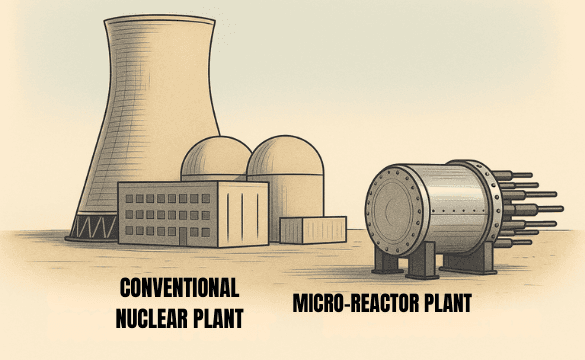
While conventional nuclear plants occupy hundreds of acres, a microreactor facility can operate in a space similar to a small commercial building, completely revolutionizing where nuclear energy can be deployed.
Engineering Innovations Behind Miniaturization
The technical challenges of scaling down nuclear reactors were once considered insurmountable. Smaller reactors inherently struggle with neutron leakage due to their high surface-to-volume ratio, creating what many nuclear engineers believed was an unworkable efficiency barrier.
The solution emerged through innovation in fuel design: TRISO fuel particles. These remarkable components pack high-density uranium into ceramic-encased spheres that not only solve the efficiency problems but introduce inherent safety features. Each tiny sphere contains multiple layers of containment that trap radioactive byproducts regardless of reactor conditions. This "juicier" fuel effectively addresses the core technical challenges that previously limited miniaturization.
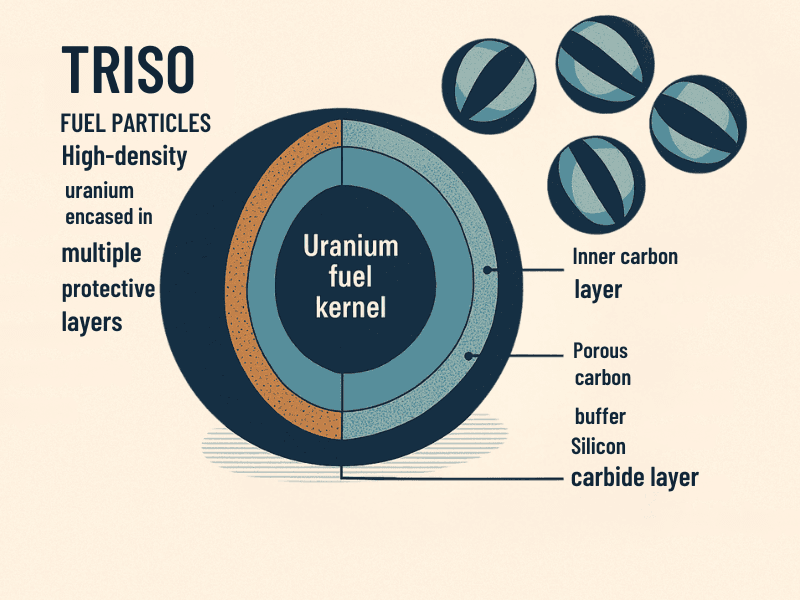
Advanced Fuel Design
TRISO fuel consists of uranium, carbon, and oxygen fuel kernels encased in multiple layers of carbon- and ceramic-based materials that prevent radioactive fission products from escaping even under extreme conditions.
Heat Pipe Technology
Many microreactors utilize heat pipes - sealed metal tubes containing sodium or other working fluids that passively transfer heat from the reactor core to power conversion systems without requiring pumps.
High-Temperature Materials
Specialized alloys and ceramics enable microreactors to operate at higher temperatures than traditional reactors, increasing efficiency and enabling direct integration with industrial processes requiring heat.
Compact Core Design
Innovative neutron reflectors and moderating materials maximize fuel efficiency in smaller volumes, addressing the surface-to-volume challenges that previously limited miniaturization efforts.
Revolutionary Safety Systems
We saw in the 2011 Fukushima disaster how weaknesses in conventional nuclear systems, when combined with external power failure, cascaded into a full meltdown. Microreactors represent the step forward that many safety engineers have been advocating for years.
Passive Safety Features
- Self-regulating physics that naturally limit reactions if temperatures rise
- No dependence on external power for cooling systems
- Natural convection cooling without pumps or moving parts
- Containment of radioactive materials within fuel even in worst-case scenarios
Operational Advantages
- Significantly reduced evacuation zones needed compared to conventional plants
- Factory-built and tested for consistent quality control
- Transport-ready design for rapid deployment to critical locations
- Lower staffing requirements with simplified operations
In microreactors, passive cooling systems eliminate the active intervention requirements that failed so fatally in Japan. Without using electricity or pumps, these systems naturally dissipate heat through conduction, pressure differentials, and radiative transfer. This move from machinery-dependent safety to physics-based protection represents a fundamental upgrade in nuclear safety architecture.
Interested in staying with latest developments in Energy Tecnnology?
Subscribe to our newsletter for the latest news and developments in Energy technology.
Practical Applications Transforming Industries
The deployment possibilities enabled by microreactors in 2025 are transforming energy accessibility across multiple sectors, creating opportunities previously considered impossible with conventional nuclear technology.
Remote Operations
Mining operations and remote communities currently dependent on expensive diesel fuel can integrate these compact nuclear solutions, dramatically reducing both costs.
Institutional Energy
College campuses and research institutions are achieving unprecedented energy independence with microreactors that can power, heat, and cool entire campuses from a single facility.

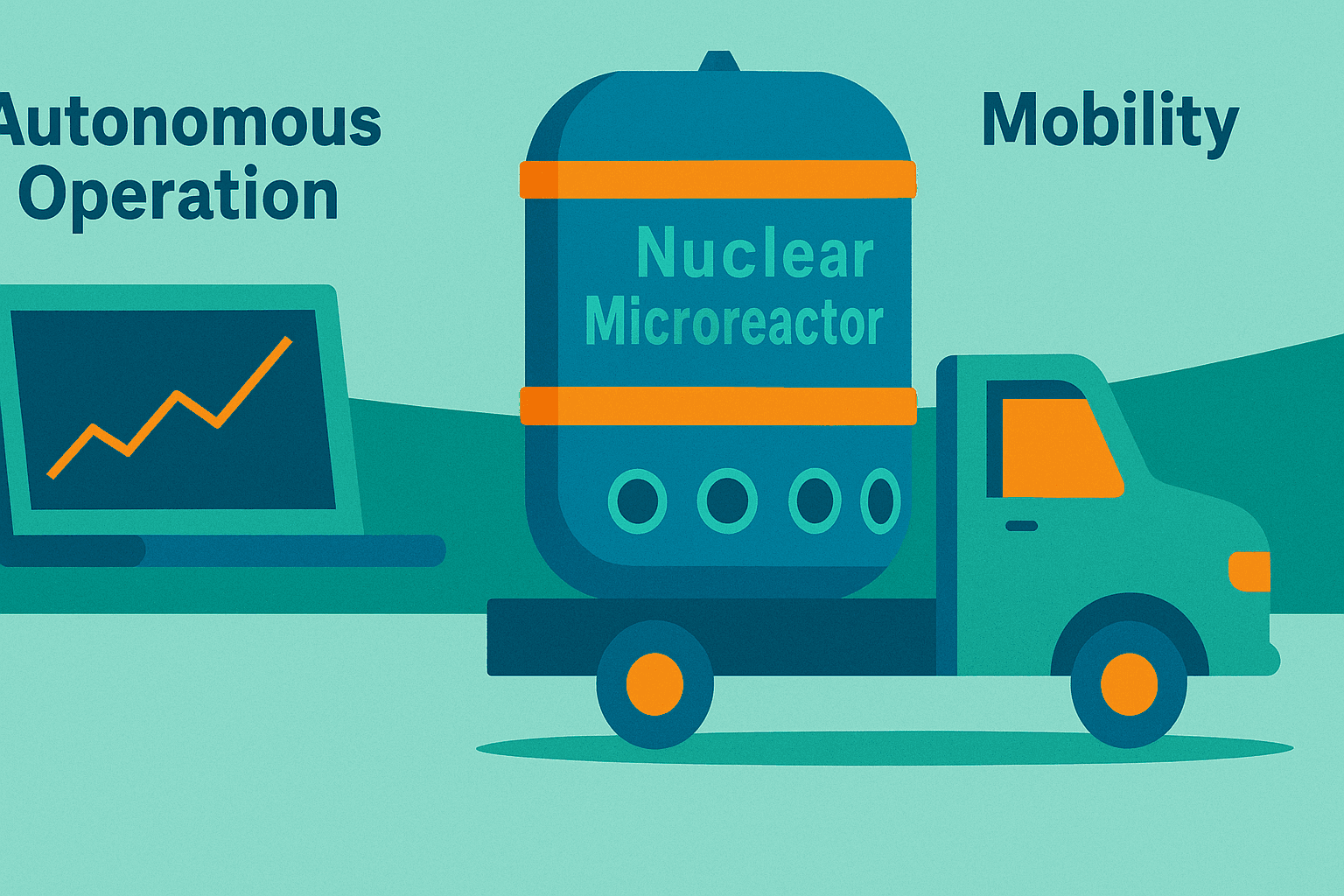
Mobile Deployment
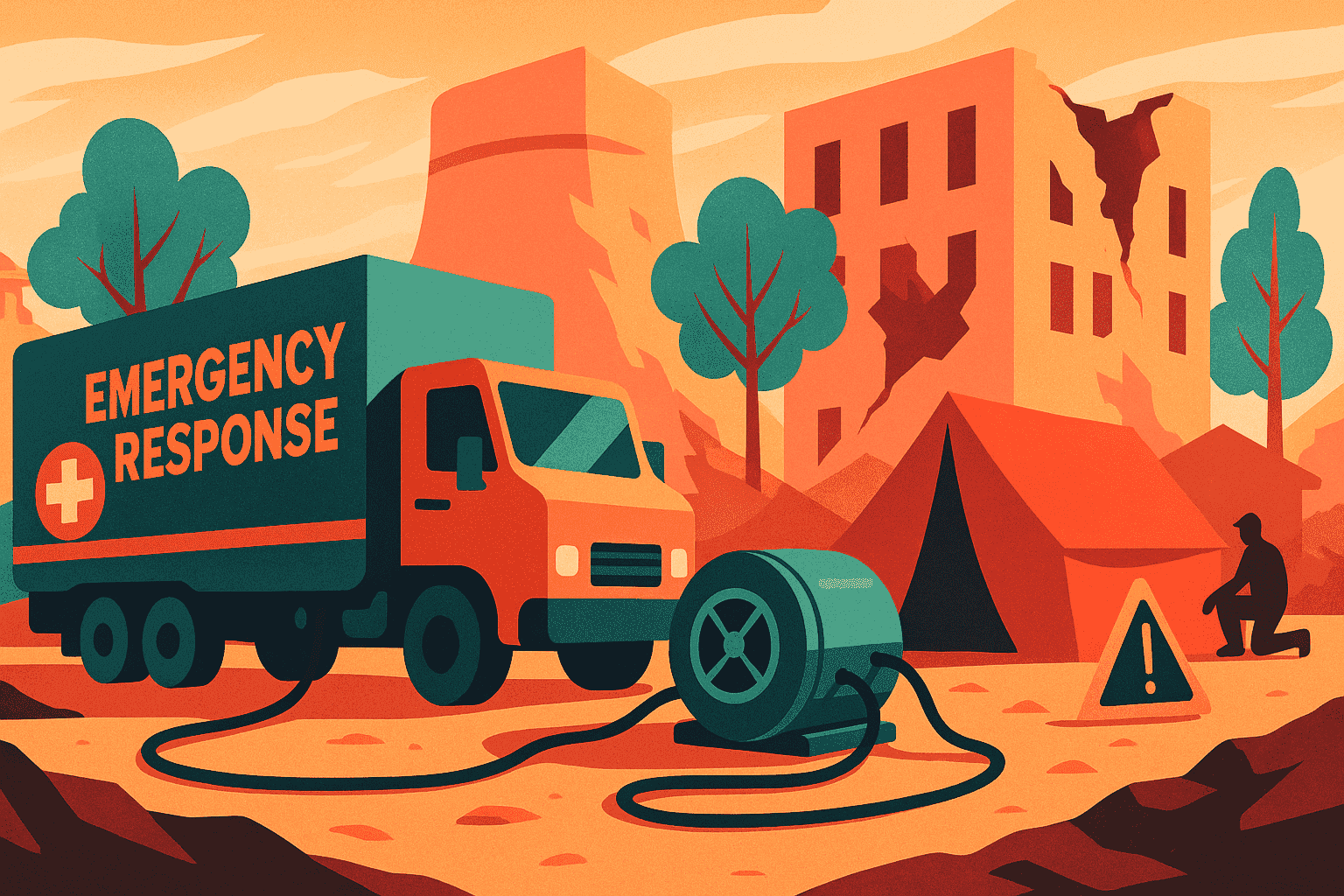
Military installations and disaster response teams can deploy reliable power sources to crisis zones or remote locations without depending on vulnerable supply lines.
Research teams are now developing floating power plants based on microreactor technology—barges capable of delivering carbon-free power to any location with ocean access. The same fundamental technology could eventually power extended space missions or even early Martian settlements, bridging terrestrial and extraterrestrial energy solutions.
Implementation Timeline
What's particularly striking about this technological revolution is its accelerated timeline. Companies like Westinghouse aren't discussing distant future deployments—they're targeting commercial units by 2030, with pilot projects already underway in 2025.
Major universities including MIT and Penn State are actively exploring campus installations, while military applications are moving even faster through specialized procurement channels designed to accelerate deployment.
Development Roadmap
- 1
2023-2024: Final Design Validation
Completion of engineering designs and regulatory approval processes
- 2
2025-2026: Initial Deployments
First commercial demonstration units at partner locations
- 3
2027-2030: Full Commercialization
Widespread availability and standardized deployment models
The nuclear industry has seen numerous promised "revolutions" that failed to materialize, justifying healthy skepticism about implementation timelines. However, the streamlined regulatory pathways specifically designed for microreactors, combined with dramatically reduced construction complexity, create a feasible development track that's already showing results.
Stay Informed About Energy Technologies
Want to learn more about? Join our newsletter , development updates, and from energy technologies.
Conclusion: The Nuclear Rebirth We Actually Needed
The nuclear energy sector of 2025 bears little resemblance to its historical predecessors. While significant challenges remain, particularly around waste management and public perception, microreactors offer the most promising path for nuclear energy to finally deliver on its decades-old promise: abundant, accessible, and carbon-free power—not just for major grids, but potentially for anyone, anywhere.
As these compact reactors move from research labs to real-world applications, they're rewriting the possibilities for distributed, resilient energy infrastructure in ways that could fundamentally transform our relationship with nuclear technology.
Key Takeaways
- Microreactors represent a fundamental redesign of nuclear energy
- Inherent safety features eliminate traditional nuclear risks
- Applications extend to previously impossible use cases
- Commercial deployments expected within 5 years
The Bottom Line
Microreactors are not just smaller versions of existing nuclear technology—they represent a complete rethinking of how we generate, distribute, and utilize nuclear energy. Their potential to provide clean, reliable power in locations and applications previously unimaginable could fundamentally reshape our energy infrastructure in the coming decades.