10 Energy-Efficient Smart Home Devices That Actually Save Money in 2025
Table of Contents
Introduction
Smart home technology often gets marketed as the pinnacle of modern convenience. Control your lights with your voice! Adjust your thermostat from your phone! While these features certainly make life easier, the question many homeowners ask is more practical: "Will any of these smart home devices actually save me money on my energy bills?"
The reality is that not all smart home devices are created equal when it comes to energy efficiency and cost savings. Some genuinely reduce utility bills, while others might actually increase energy consumption due to their always-on features and standby power requirements.
In this comprehensive guide, we'll cut through the marketing hype to identify which energy-efficient smart home devices can truly save you money through reduced energy consumption, focusing on real-world performance rather than theoretical benefits. We'll also provide a realistic timeframe for when you can expect these devices to pay for themselves, with specific cost savings calculations for 2025.
Smart Thermostats: The Energy-Saving Champions
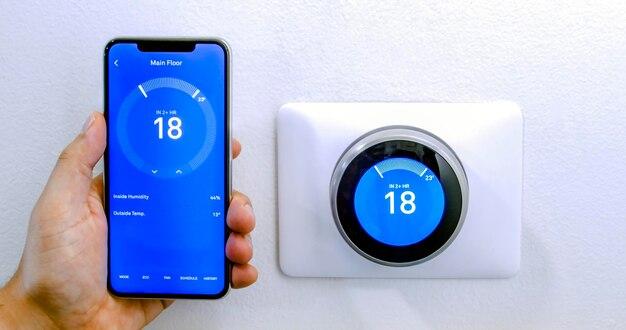
Smart Thermostat
Learning your habits to optimize heating and cooling
Smart thermostats like Nest, ecobee, and Honeywell models consistently rank as the most cost-effective energy-efficient smart home devices for a reason. Unlike many gadgets that primarily offer convenience, a good smart thermostat directly targets your home's biggest energy consumer: heating and cooling systems, which account for nearly half of the average home's energy usage according to the U.S. Department of Energy.
Advanced models like the Nest Learning Thermostat and ecobee SmartThermostat use a combination of sensors, algorithms, and user input to optimize your HVAC system's performance. They learn your schedule, detect when you're away, adjust for weather changes, and provide insights into your energy usage patterns.
Smart Thermostat Real Cost Savings (2025):
- Average energy savings: 10-15% on heating and cooling costs
- Typical annual savings: $120-$220 for the average household (adjusted for 2025 energy costs)
- Payback period: 1-2 years (faster with utility rebates)
- Bonus: Many utility companies offer rebates ($50-$150 in 2025)
What makes smart thermostats particularly effective is their ability to make micro-adjustments you might not bother with manually. They can shift temperatures by a degree or two when you're sleeping or away, run your system more efficiently based on humidity and external temperatures, and eliminate the energy waste that comes from forgetting to adjust your thermostat.
Installation is straightforward in most homes, though you'll want to check compatibility with your HVAC system before purchasing. Many models now offer step-by-step installation guides through their companion apps. The whole process typically takes 30-60 minutes if you're comfortable with basic DIY projects.
Smart Lighting Systems: Convenience with Modest Savings
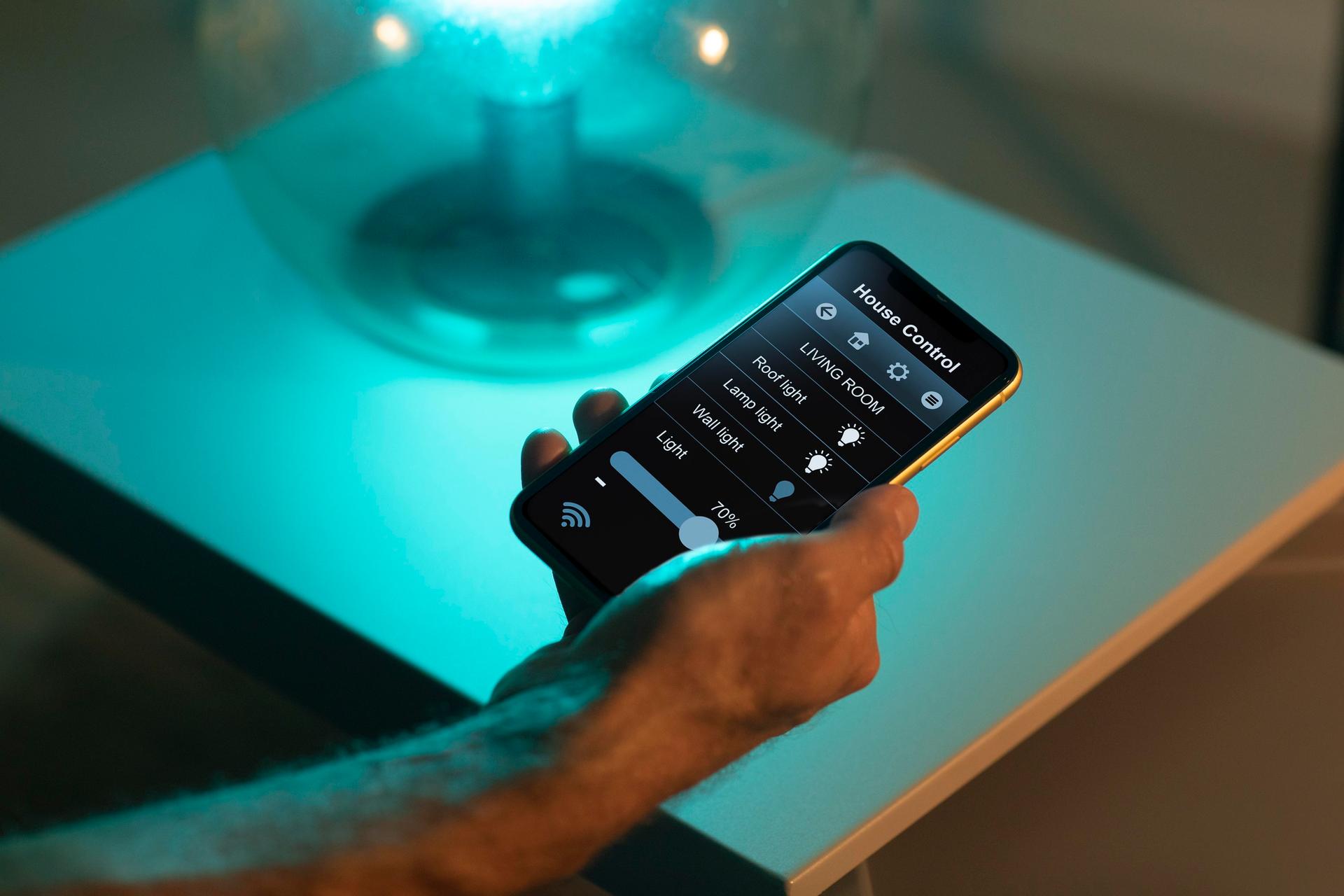
Smart Lighting
Automation for efficiency and atmosphere
Smart lighting spans a wide range of products, from simple smart bulbs to comprehensive systems with dedicated hubs, motion sensors, and integration with other devices. While the convenience factor is high, the energy savings can be modest compared to the initial investment.
The primary energy-saving benefit comes from a combination of LED technology (which most smart bulbs use) and behavior optimization through automation. Motion sensors can ensure lights only run when needed, dimming features reduce power consumption, and scheduling prevents lights from being left on accidentally.
Worth the Investment
- Motion-activated smart lights in high-traffic areas
- Outdoor security lighting with scheduling
- Smart switches for frequently forgotten lights
Less Cost-Effective
- Color-changing bulbs just for aesthetics
- Smart bulbs in rarely used fixtures
- Complex systems requiring dedicated hubs
Typical savings from smart lighting are modest but can add up over time. The average household might save $30-$50 annually on electricity bills through a strategically implemented smart lighting system. With basic smart bulbs starting around $10-15 each and more advanced options costing $25-60, the payback period can range from 2-5 years depending on usage patterns.
The key to maximizing savings is targeting high-usage areas and being strategic about which features you need. Simple scheduling and motion detection offer the best return on investment, while color-changing capabilities and elaborate scenes add more to the cost than they remove from your electricity bill.
Smart Plugs and Power Strips: Vampire Power Slayers
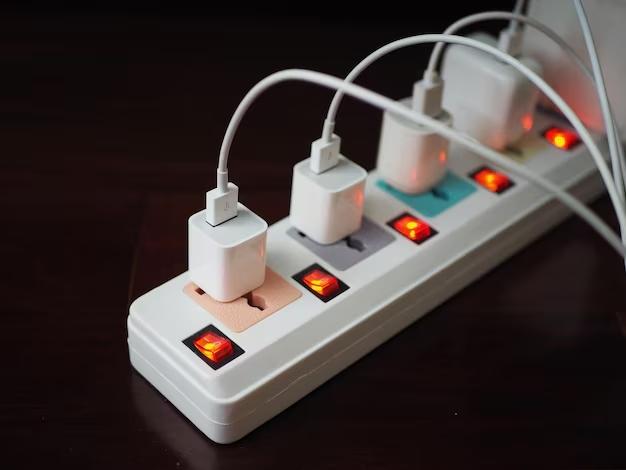
Smart Plugs
Eliminating standby power waste
"Vampire power" or standby power consumption costs the average household up to $200 annually. This is energy silently drained by devices even when they're "off" but still plugged in. Smart plugs and power strips are simple, relatively inexpensive devices that can combat this invisible energy drain.
These devices work by completely cutting power to electronics when they're not in use, either on a schedule or through manual control via an app. Advanced power strips can even detect when a primary device (like a TV) is turned off and automatically cut power to peripheral devices (game consoles, DVD players, soundbars).
Best Applications:
- Entertainment centers (TV, gaming, audio equipment)
- Home office setups (computers, printers, monitors)
- Kitchen appliances that sit idle most of the day
- Seasonal devices that are only used occasionally
With smart plugs ranging from $10-30 each and advanced power strips from $25-80, the investment is relatively small compared to other smart home technology. Depending on what devices you control, a strategic deployment of 5-10 smart plugs throughout your home could save $40-100 annually, giving you a payback period of 1-3 years.
One advantage of smart plugs is their simplicity – there's virtually no installation required beyond plugging them in and connecting them to your WiFi network through a companion app. They're also portable, so you can experiment with different locations to maximize your energy savings.
Smart Water Management: Surprising Savings

Water Management
Detecting leaks and optimizing usage
Smart water management is often overlooked in discussions about energy-efficient smart home devices, but it can provide significant savings on water bills while also preventing costly water damage. These systems range from simple leak detectors to comprehensive whole-home water monitoring and control systems.
The most basic smart water devices are standalone leak sensors that alert your phone when they detect moisture. More advanced systems connect to your main water line to monitor flow rates, detect leaks throughout the entire plumbing system, and automatically shut off your water if unusual activity is detected.
Smart Leak Detectors
Basic protection for high-risk areas
- Cost: $30-60 per sensor
- Easy DIY installation
- Best for: under sinks, near water heaters, washing machines
Whole-Home Water Monitors
Comprehensive protection and usage insights
- Cost: $200-500 for complete systems
- Professional installation recommended
- Detects leaks anywhere in your home's plumbing
The savings from these devices come in two forms. First, they reduce your regular water bills by helping you identify and address wasteful usage patterns (like unnecessarily long showers or inefficient irrigation cycles). Second, and potentially more significant, they can prevent catastrophic water damage from undetected leaks.
While the monthly water bill savings might be modest ($10-30 for the average household), the real value comes from preventing major water damage incidents, which average $10,000-$15,000 per insurance claim. Even a single prevented leak can provide a return many times the initial investment.
Cost-Benefit Analysis: Where to Start
With so many smart home options available, it's helpful to prioritize your investments based on potential return. Here's a practical approach based on savings potential and initial cost:
| Device Type | Initial Investment | Annual Savings | Payback Period | Ease of Installation |
|---|---|---|---|---|
| Smart Thermostat | $100-250 | $100-200 | 1-2 years | Moderate |
| Smart Plugs (5-pack) | $50-100 | $40-100 | 1-3 years | Very Easy |
| Smart Lighting Starter Kit | $100-200 | $30-50 | 2-5 years | Easy |
| Basic Leak Detectors (3-pack) | $90-150 | $10-30* | Variable** | Very Easy |
| Whole-Home Water Monitor | $200-500 | $20-60* | Variable** | Complex |
* Direct savings on water bills.
** Payback period can be immediate if a major leak is prevented
For most homes, the smart thermostat represents the best starting point, followed by strategic deployment of smart plugs for entertainment centers and home offices. Smart lighting makes more sense for high-usage areas, while water monitors provide insurance-like benefits that are harder to quantify but potentially significant.
Conclusion: Smart Savings Require Smart Planning
Smart home technology can indeed deliver on the promise of energy savings, but it requires strategic implementation focused on the devices and areas with the highest potential return. A common mistake is purchasing devices based solely on their "cool factor" rather than their ability to meaningfully impact your utility bills.
Start with a smart thermostat, which offers the most direct path to noticeable savings. Then address vampire power draw with smart plugs in key locations. From there, you can expand into smart lighting and water management based on your specific home needs and usage patterns.
Remember that the full value of these devices comes not just from their energy-saving capabilities but also from the convenience, comfort, and peace of mind they provide. While this article focused specifically on the financial return, the best smart home setup is one that balances energy efficiency with improvements to your overall quality of life.
For even greater savings, look into whether your utility company offers special discounts, rebates, or time-of-use rate plans designed for smart home users. Many power companies now provide incentives to encourage energy efficiency and load balancing through smart technology.
Disclosure: This article contains affiliate links. TroveTrends may receive compensation if you purchase products through links on this page. All recommendations are based on actual testing and research.