AFFILIATE DISCLOSURE: As an affiliate, we earn commissions from qualifying purchases. If you purchase home security products through our links, we may receive a commission at no extra cost to you. This helps support our site.
SAFETY DISCLAIMER: This article is for informational purposes only. For best security practices, consult with a licensed home security professional in your area.
The Connected Home Security Revolution: Protecting Your Smart Home in 2025
Table of Contents
The Evolution of Home Security: From Simple Alarms to Intelligent Systems
The concept of home security has undergone a remarkable transformation over the past decade. From basic burglar alarms that simply made noise when triggered, today's connected security systems offer comprehensive protection through intelligent monitoring, instant alerts, and seamless integration with other smart home components. This evolution represents a fundamental shift in how we approach home protection—from reactive measures that respond after an incident to proactive systems that can predict, prevent, and respond to security concerns in real-time.
The most significant advancement has been the transition from closed, proprietary systems to open, interconnected platforms. Traditional security systems operated in isolation, requiring professional installation and dedicated monitoring services. Modern connected security, by contrast, leverages wireless technology, cloud computing, and artificial intelligence to create flexible, customizable solutions that homeowners can often install themselves. These systems can communicate with smartphones, smart speakers, lighting systems, and even appliances to create a comprehensive security ecosystem.
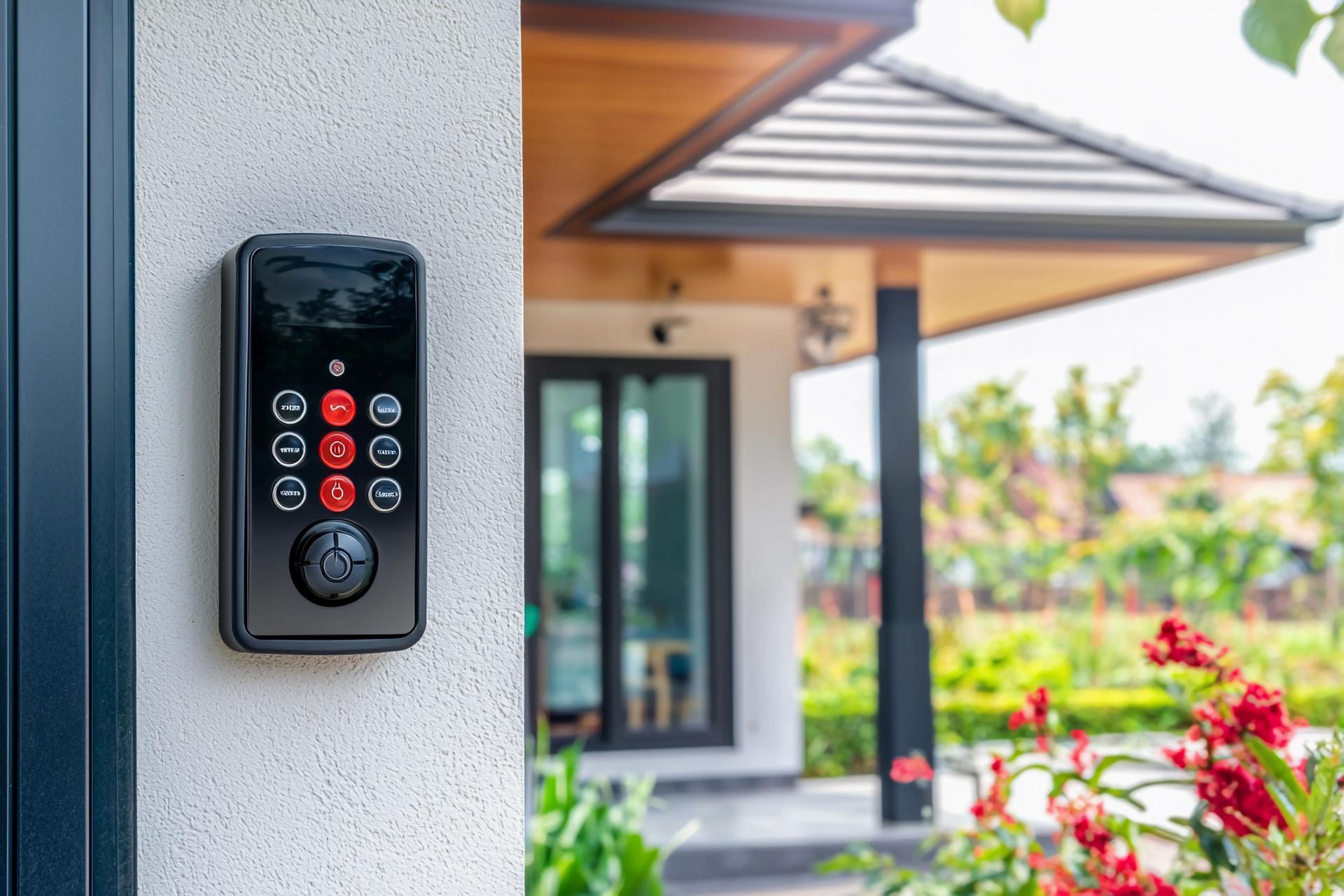
The global smart home security market is projected to reach $78.9 billion by 2025, with connected cameras and video doorbells leading the growth. This expansion is driven by increasing consumer awareness, declining equipment costs, and the rising adoption of smart home technology across all demographics.
Essential Components of a Connected Security System
A comprehensive connected security system combines multiple components that work together to protect different aspects of your home. While the specific configuration will vary based on your needs, property layout, and budget, understanding the core components will help you design a system that offers complete protection.
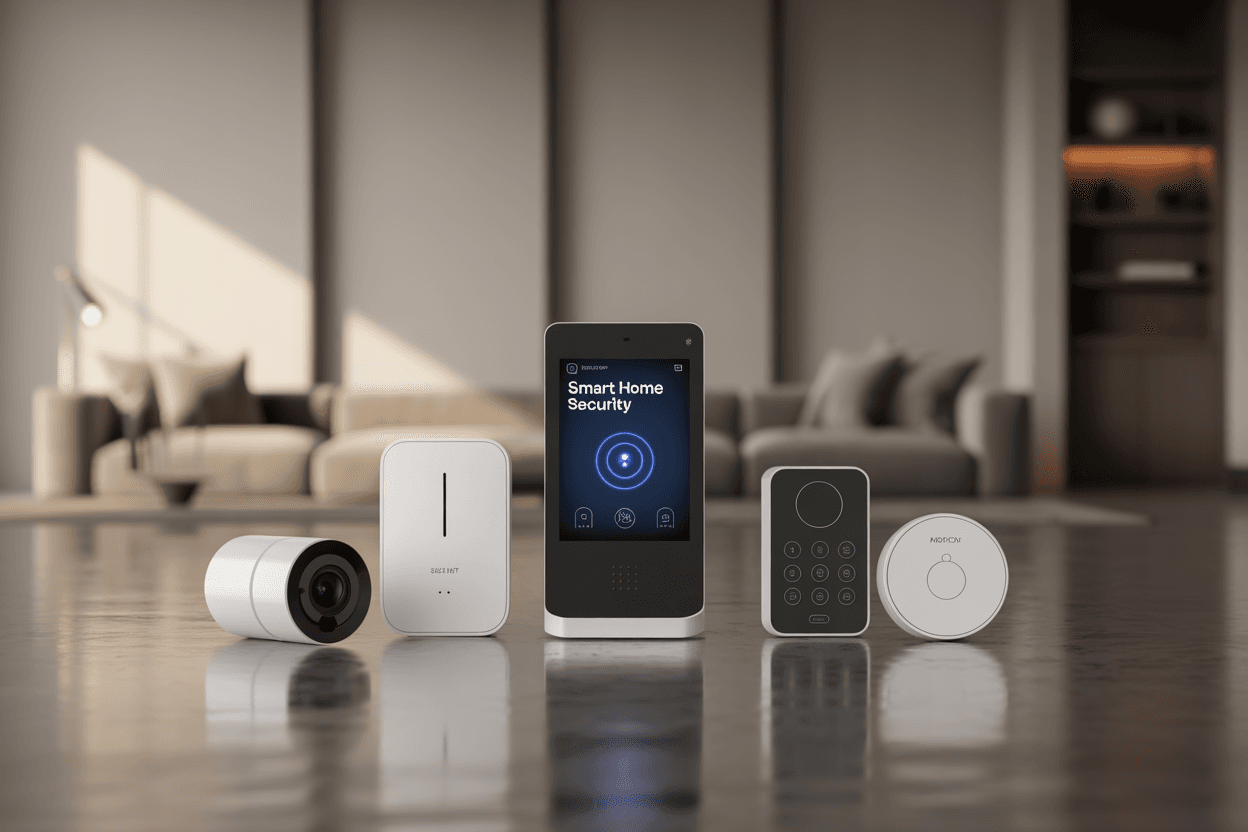
Smart Cameras
Advanced cameras with motion detection, night vision, and two-way audio that allow you to monitor your property from anywhere. Modern systems use AI to distinguish between people, animals, and vehicles to reduce false alerts.
Doorbell Cameras
Video doorbells that allow you to see, hear, and speak to visitors from your smartphone, tablet, or computer. They record activity at your doorstep and can help prevent package theft and unwanted intrusions.
Entry Sensors
Magnetic sensors that detect when doors or windows are opened. These form the first line of defense by alerting you to unauthorized access attempts before an intruder enters your home.
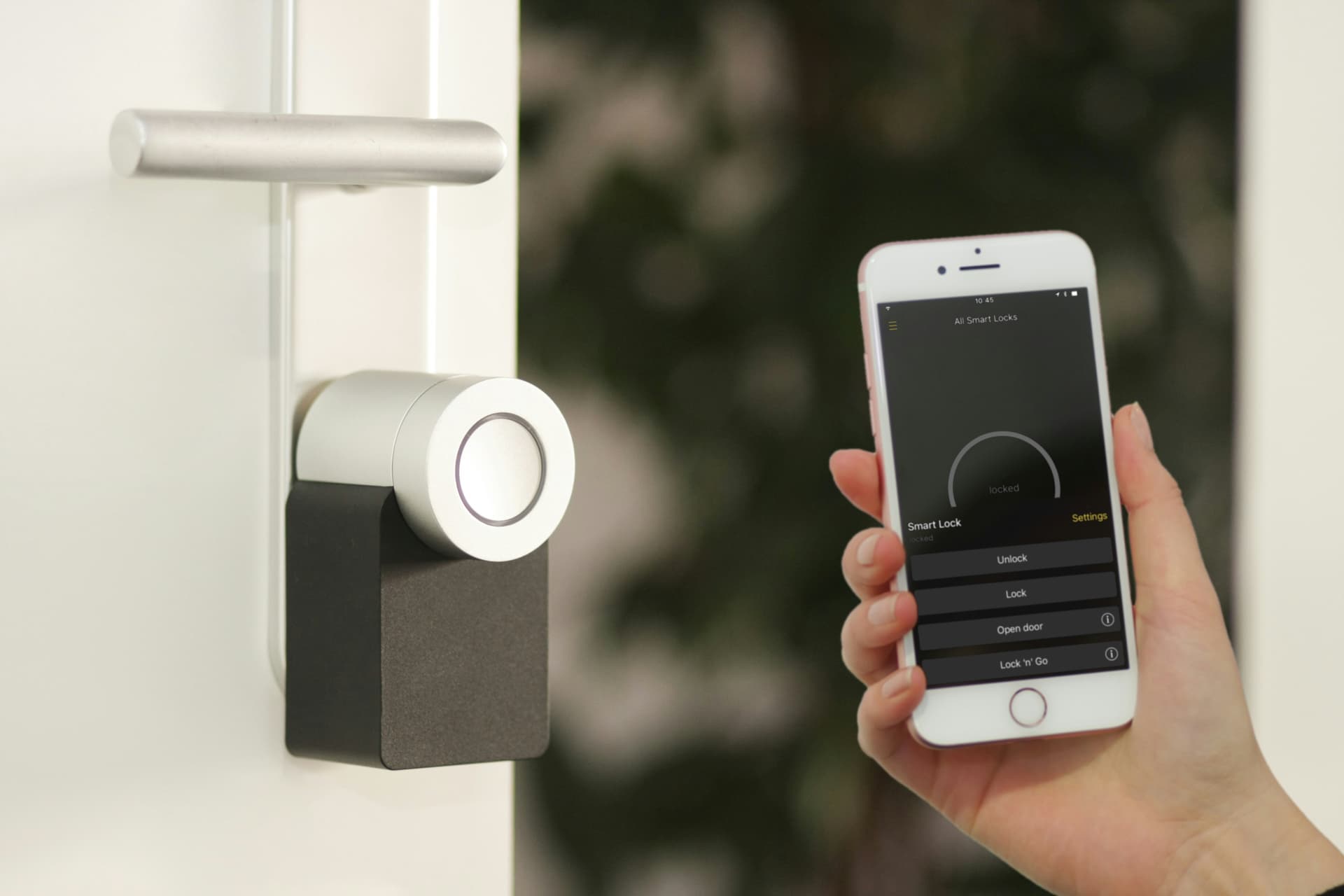
Smart Locks
Keyless entry systems that allow you to lock and unlock doors remotely, create temporary access codes for guests, and track who comes and goes. Modern smart locks can automatically lock when you leave home and unlock as you approach.
Motion Sensors
Detect movement inside your home and can trigger cameras or alerts when activity is detected while you're away.
Smart Alarms
Modern siren systems that can be triggered automatically or manually through smartphone apps in emergency situations.
Hub/Controller
The central brain of your security system that connects all components and enables remote control and automation.
Smart Home Integration: Creating a Unified Security Ecosystem
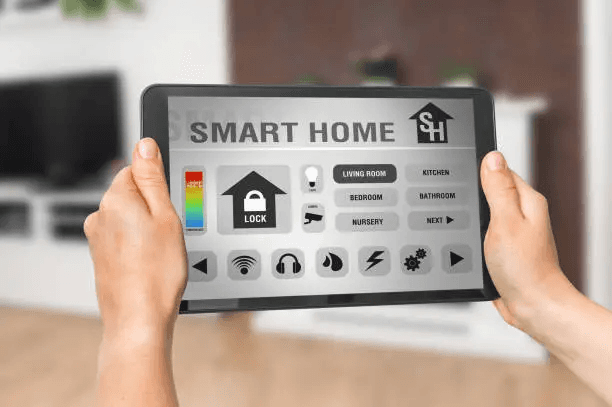
The true power of connected security systems comes from their ability to work seamlessly with other smart home devices. Rather than operating as standalone components, today's security solutions function as part of a larger ecosystem, enhancing both protection and convenience.
This integration allows for sophisticated automations that enhance security. For example, when your system detects that you've left home, it can automatically arm itself, lock doors, close garage doors, and adjust lights to simulate occupancy. If an intrusion is detected, your system can instantly illuminate all lights, sound alarms, and send alerts to your phone.
Key Integration Points
- Voice assistants (Amazon Alexa, Google Assistant, Apple HomeKit) for hands-free control
- Smart lighting systems that can flash during emergencies or simulate occupancy
- Smoke and carbon monoxide detectors for comprehensive safety monitoring
- Water leak sensors to prevent property damage
- Smart thermostats that can detect unusual temperature changes
Communication Protocols Matter
When building a connected security system, it's important to consider which communication protocols your devices use. The major protocols in today's market include:
Wi-Fi
High bandwidth for video streaming but more power-hungry. Ideal for cameras and video doorbells.
Z-Wave/Zigbee
Low-power mesh networks that create reliable connections between devices. Excellent for sensors and locks.
Matter/Thread
Newer protocols designed to create universal compatibility across brands and platforms.
Privacy and Security Considerations
While connected security systems provide unprecedented protection for your home, they also introduce new considerations around digital privacy and cybersecurity. As these systems collect sensitive data about your home and habits, it's crucial to understand how to protect this information.
Protecting Your Digital Perimeter
- Use strong, unique passwords
Never rely on default passwords. Use a password manager to create and store complex, unique credentials for each device and account.
- Enable two-factor authentication (2FA)
This adds an additional layer of security by requiring a second verification step beyond your password.
- Keep firmware updated
Manufacturers regularly release updates to fix security vulnerabilities. Set devices to update automatically when possible.
- Secure your home network
Use WPA3 encryption, change default router credentials, and consider creating a separate network for IoT devices.
It's also important to understand the privacy policies of security system manufacturers. Some companies may store video footage in the cloud, while others offer local storage options. Review how companies use your data, how long they retain it, and whether they share it with third parties. Choose products from manufacturers with transparent privacy policies and a strong track record of security practices.
Conclusion: The Future of Home Protection
Connected home security has fundamentally transformed how we protect our homes and loved ones. Gone are the days of simple alarms and basic locks—today's systems offer intelligent, proactive protection that adapts to your lifestyle and integrates with your entire smart home.
As we look toward the future, several emerging trends will continue to shape home security. Advanced AI will further reduce false alarms and provide more personalized protection. Facial recognition technology (with proper privacy controls) will allow systems to distinguish between family members, regular visitors, and strangers. And increased integration with health monitoring systems will expand security beyond intrusion prevention to overall home safety.
The most significant benefit of these advancements isn't just better protection—it's greater peace of mind. Whether you're at work, on vacation, or simply asleep upstairs, today's connected security systems provide constant awareness and control over your home environment.
Key Takeaways
- Connected security systems offer comprehensive protection through multiple integrated components
- Integration with other smart home devices enhances both security and convenience
- Privacy and cybersecurity considerations are essential when implementing connected devices
- Solutions exist for every budget and property size, from basic DIY setups to comprehensive professional systems
Disclosure: This article contains affiliate links. If you purchase products through these links, we may earn a commission at no additional cost to you. We only recommend products we've researched and believe will provide value to our readers.