AFFILIATE DISCLOSURE: As an affiliate, we earn commissions from qualifying purchases. If you purchase smart home energy products through our links, we may receive a commission at no extra cost to you. This helps support our site.
Smart Energy Management: How to Reduce Your Bills with Home Automation
Table of Contents
Introduction to Smart Energy Management
As utility costs continue to rise, homeowners are increasingly looking for ways to reduce their energy consumption. Smart home technology offers a powerful solution by automating energy usage and providing detailed insights into consumption patterns. Unlike traditional energy-saving methods that often rely on manual adjustments and lifestyle changes, smart energy management uses technology to optimize energy use automatically while maintaining or even enhancing comfort and convenience.
The core principle behind smart energy management is simple: use energy only when and where it's needed, at the level it's needed. This approach eliminates waste from systems running unnecessarily or operating at suboptimal levels. By leveraging sensors, connectivity, automation, and machine learning, today's smart home technologies can create sophisticated energy management systems that adapt to your lifestyle while continuously finding new ways to save.
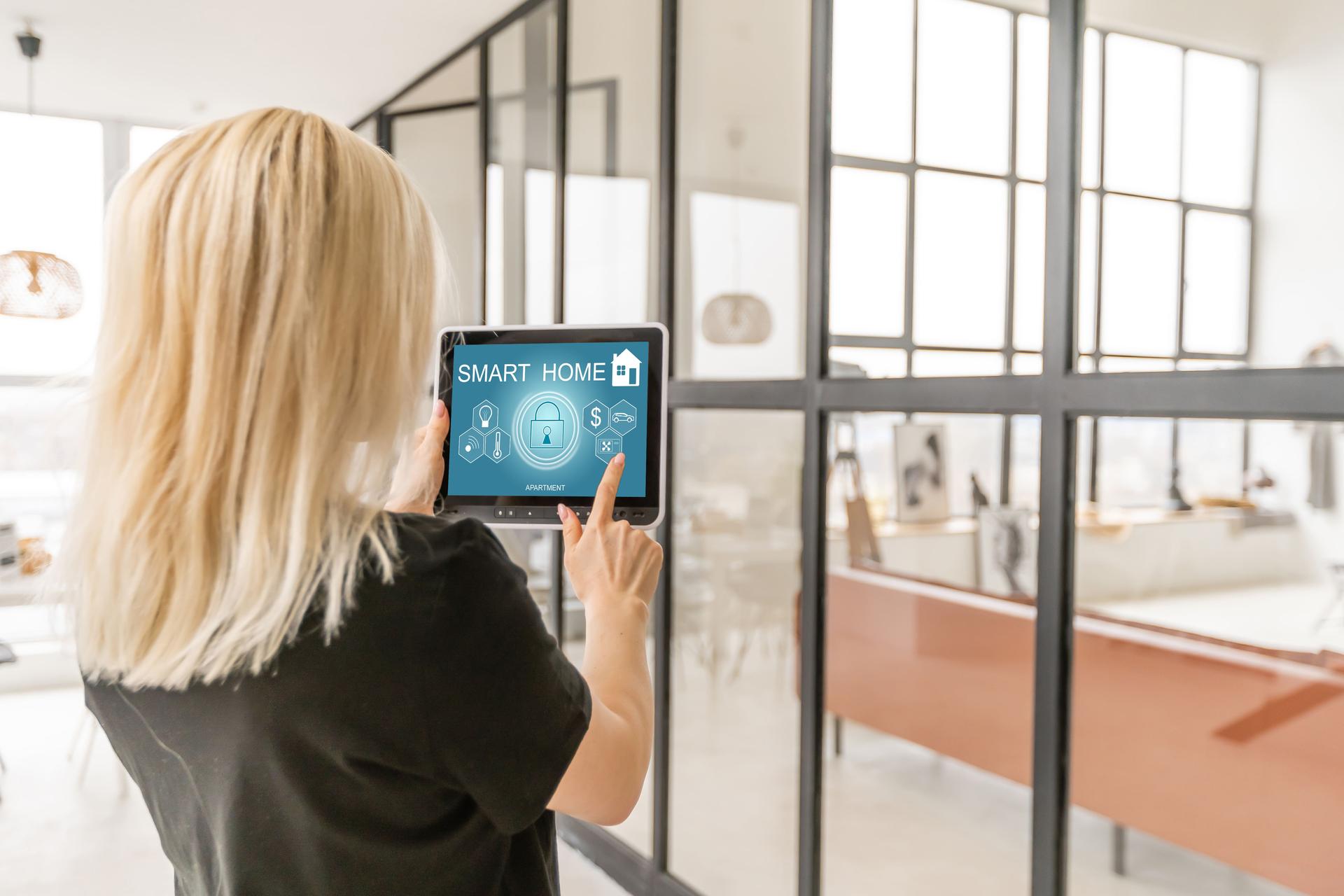
Studies suggest that homes with integrated smart energy management systems can reduce electricity consumption by 10-15% on average, with some households reporting savings of up to 30% on their monthly utility bills.
Smart Thermostats: The Foundation of Energy Efficiency
Heating and cooling typically account for nearly half of a home's energy consumption, making the thermostat the natural starting point for any smart energy management system. Unlike programmable thermostats that follow rigid schedules, smart thermostats use sensors, connectivity, and learning algorithms to optimize temperature settings automatically.
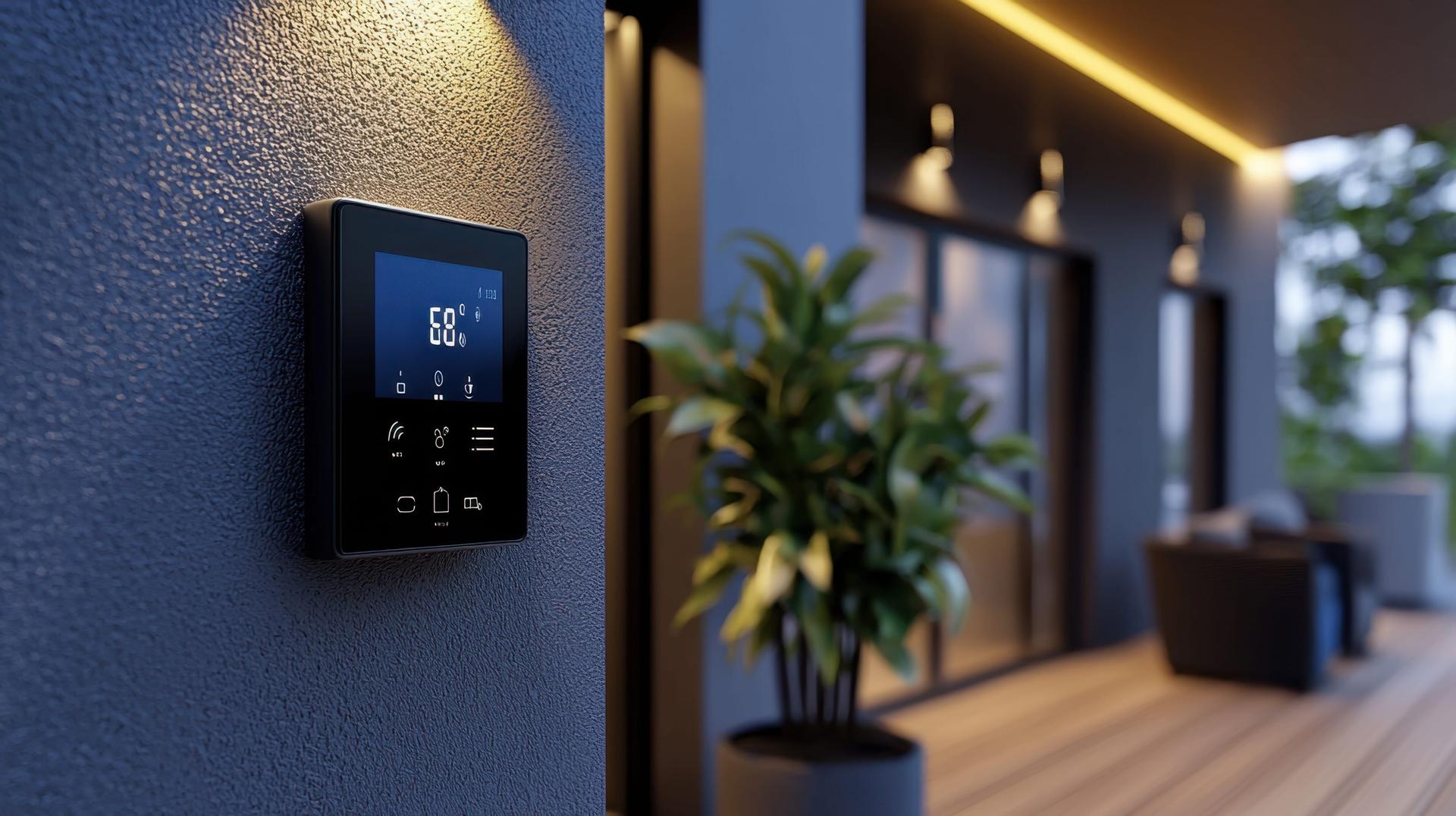
Key Features
- • Learning capabilities that adapt to your schedule
- • Remote control via smartphone apps
- • Geofencing to adjust temperature based on occupancy
- • Integration with other smart home systems
- • Detailed energy consumption reports
Energy Saving Techniques
- • Optimizing temperature when home is unoccupied
- • Adjusting for optimal sleep temperatures
- • Considering weather forecasts in temperature planning
- • Optimizing HVAC system runtime for efficiency
- • Providing actionable energy-saving suggestions
Most smart thermostats can be installed as DIY projects in under an hour, replacing existing thermostats. Some utility companies offer rebates that can significantly offset the purchase price, sometimes covering the entire cost of the device.
Smart Lighting Systems: Illumination Intelligence
Lighting accounts for about 10% of residential electricity use, but this percentage can be significantly reduced through smart lighting systems. These systems go far beyond the basic energy savings of LED bulbs by ensuring lights are only on when needed and at appropriate brightness levels.
Components of Smart Lighting
- Smart Bulbs: LED bulbs with built-in wireless connectivity that can be controlled remotely and programmed for different brightness levels and even colors.
- Smart Switches: Replace traditional light switches to control existing fixtures, allowing automation without replacing bulbs.
- Motion/Occupancy Sensors: Detect presence in a room to automatically control lighting based on occupancy.
- Light Level Sensors: Measure ambient light to adjust artificial lighting only as needed.
Energy-Saving Strategies
Occupancy-Based Control
Lights automatically turn off when rooms are empty, eliminating wasted energy from lights left on in unoccupied spaces.
Daylight Harvesting
Lights dim or turn off when sufficient natural light is available, maximizing use of free daylight.
Task-Appropriate Lighting
Different activities require different light levels. Smart systems can adjust brightness based on the task being performed.
Time-Based Scheduling
Lights automatically adjust based on time of day, synchronized with your household's routine.
Smart Plugs and Power Strips: Tackling Phantom Energy Drain
Many appliances and electronics continue to draw power even when they appear to be off—a phenomenon known as "phantom" or "standby" power. This idle energy consumption can account for up to 10% of residential electricity use. Smart plugs and power strips offer an easy way to eliminate this waste without having to unplug devices manually.
These simple devices plug into existing outlets and provide a controllable connection for your appliances. Through smartphone apps, you can turn connected devices on or off remotely, set schedules, or even monitor energy consumption. Advanced smart power strips can detect when a primary device (like a TV) is turned off and automatically cut power to peripheral devices (like game consoles or DVD players).
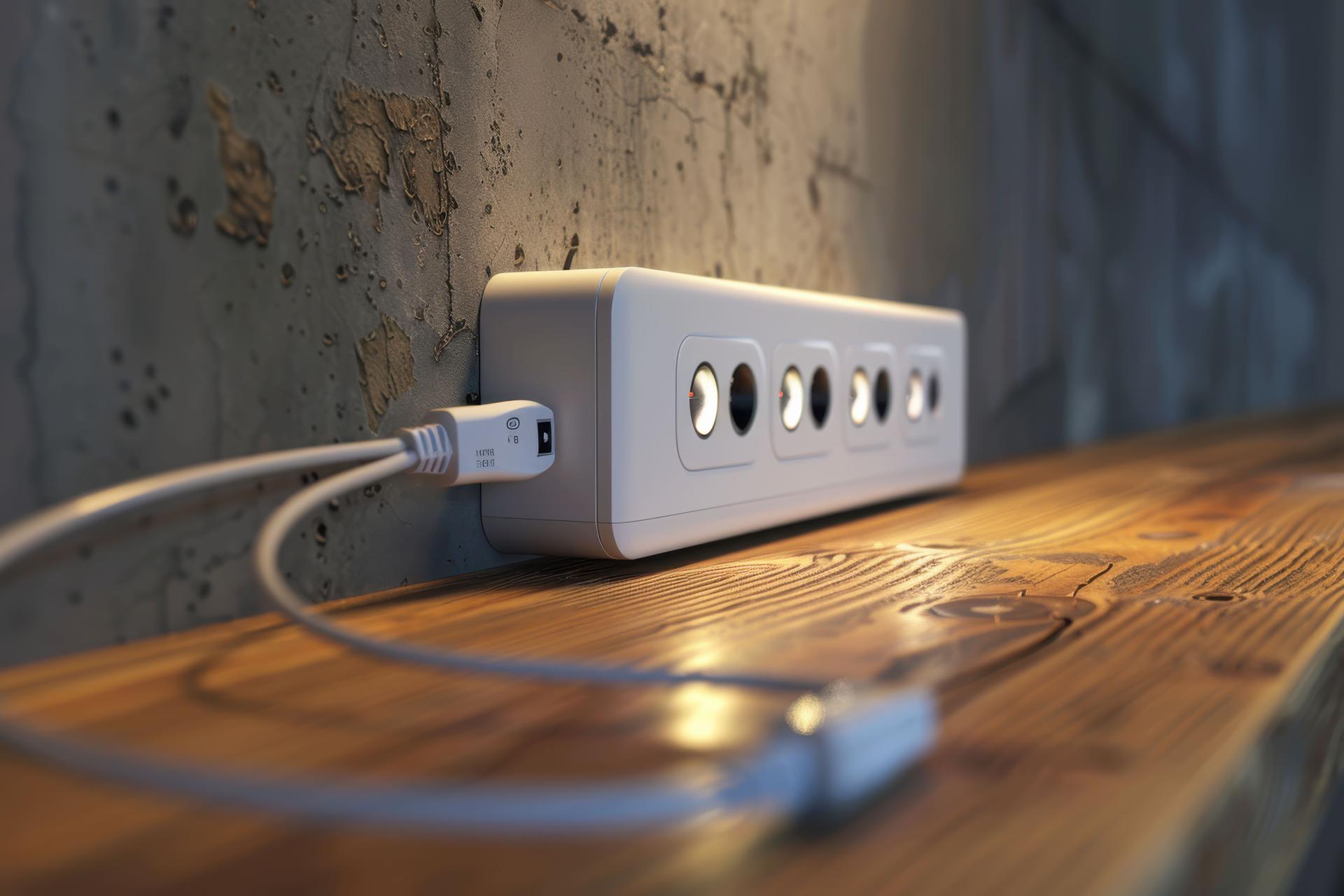
Ideal Applications for Smart Plugs
Entertainment Centers
TVs, gaming consoles, and home theater components can all draw significant standby power.
Home Office Equipment
Computers, monitors, printers, and charging stations often remain partially powered when not in use.
Kitchen Appliances
Coffee makers, toasters, and microwaves with displays consume energy even when idle.
Energy Monitoring Systems: Knowledge is Power
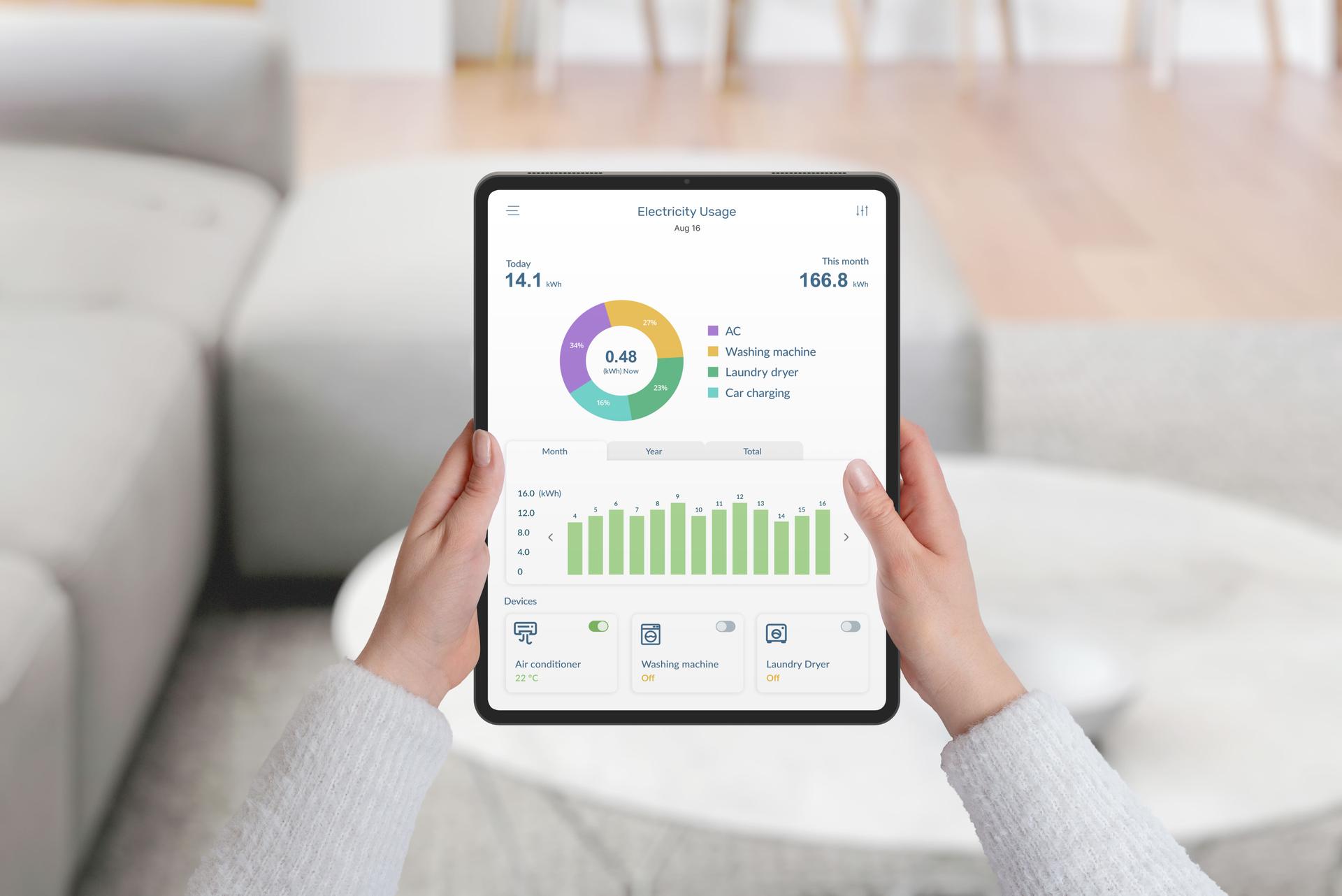
The cornerstone of effective energy management is understanding exactly where and when energy is being used in your home. Energy monitoring systems provide this critical visibility, empowering you to identify waste and make targeted improvements.
Modern energy monitoring systems range from simple plug-in devices that track individual appliances to whole-home solutions that integrate with your electrical panel. The most advanced systems can identify individual devices by their unique electrical signatures, providing a detailed breakdown of energy usage by appliance without requiring multiple sensors.
Actionable Insights
Beyond raw data, the best monitoring systems provide recommendations for reducing consumption based on your specific usage patterns.
Benefits of Energy Monitoring
- Identify energy-hogging appliances that may need replacing
- Detect unusual consumption patterns that could indicate malfunctioning equipment
- Measure the impact of energy-saving measures to validate their effectiveness
- Set energy budgets and receive alerts when consumption exceeds expected levels
ROI and Savings Potential: Making the Financial Case
While smart energy management systems require an initial investment, they typically pay for themselves through reduced utility bills. The timeframe for return on investment varies based on your current energy consumption, local utility rates, and the specific technologies implemented.
| Technology | Typical Cost | Potential Annual Savings | Typical ROI Period |
|---|---|---|---|
| Smart Thermostat | $150-$250 | $50-$150 | 1-2 years |
| Smart Lighting (per bulb) | $20-$60 | $5-$15 per bulb | 2-4 years |
| Smart Plugs | $15-$40 | $20-$60 | 6-18 months |
| Energy Monitoring System | $100-$300 | $80-$200 | 1-3 years |
Many utility companies offer rebates and incentives for smart energy management devices, which can significantly reduce the initial investment cost and shorten the ROI period. Be sure to check with your local utilities for available programs before making any purchases.
Maximizing Your Savings
To achieve the greatest energy savings, consider these best practices:
- Start with a whole-home energy audit to identify the biggest energy wasters
- Implement smart technologies in highest-usage areas first for fastest ROI
- Choose systems that work together through a common platform or hub
- Regularly review energy reports and adjust automation routines as needed
Conclusion: A Smarter, More Efficient Home
Smart energy management represents the future of home efficiency—a future where technology automatically optimizes energy use without sacrificing comfort or convenience. By implementing even a few of the solutions discussed in this article, you can significantly reduce your utility bills while also decreasing your environmental footprint.
The beauty of smart energy management lies in its flexibility and scalability. You can start small with a single smart thermostat or a few smart plugs, then gradually expand your system as you see the benefits accumulate. Each addition not only increases your energy savings but also enhances the functionality and convenience of your smart home ecosystem.
As energy costs continue to rise and environmental concerns grow, smart energy management isn't just a luxury—it's becoming a necessity for the conscious homeowner. The technology is mature, affordable, and easier than ever to implement. The only question remaining is: which smart energy solution will you try first?
Disclosure: This article contains affiliate links. If you purchase products through these links, we may earn a commission at no additional cost to you. We only recommend products we've researched and believe will provide value to our readers.