Plant-Based Diet Guide for Beginners
Article Overview
- Understanding plant-based eating: definitions and benefits
- Essential nutrients and how to get them from plant sources
- 7-day meal plan with simple, delicious recipes
- Shopping list and pantry essentials for plant-based beginners
What is a Plant-Based Diet?
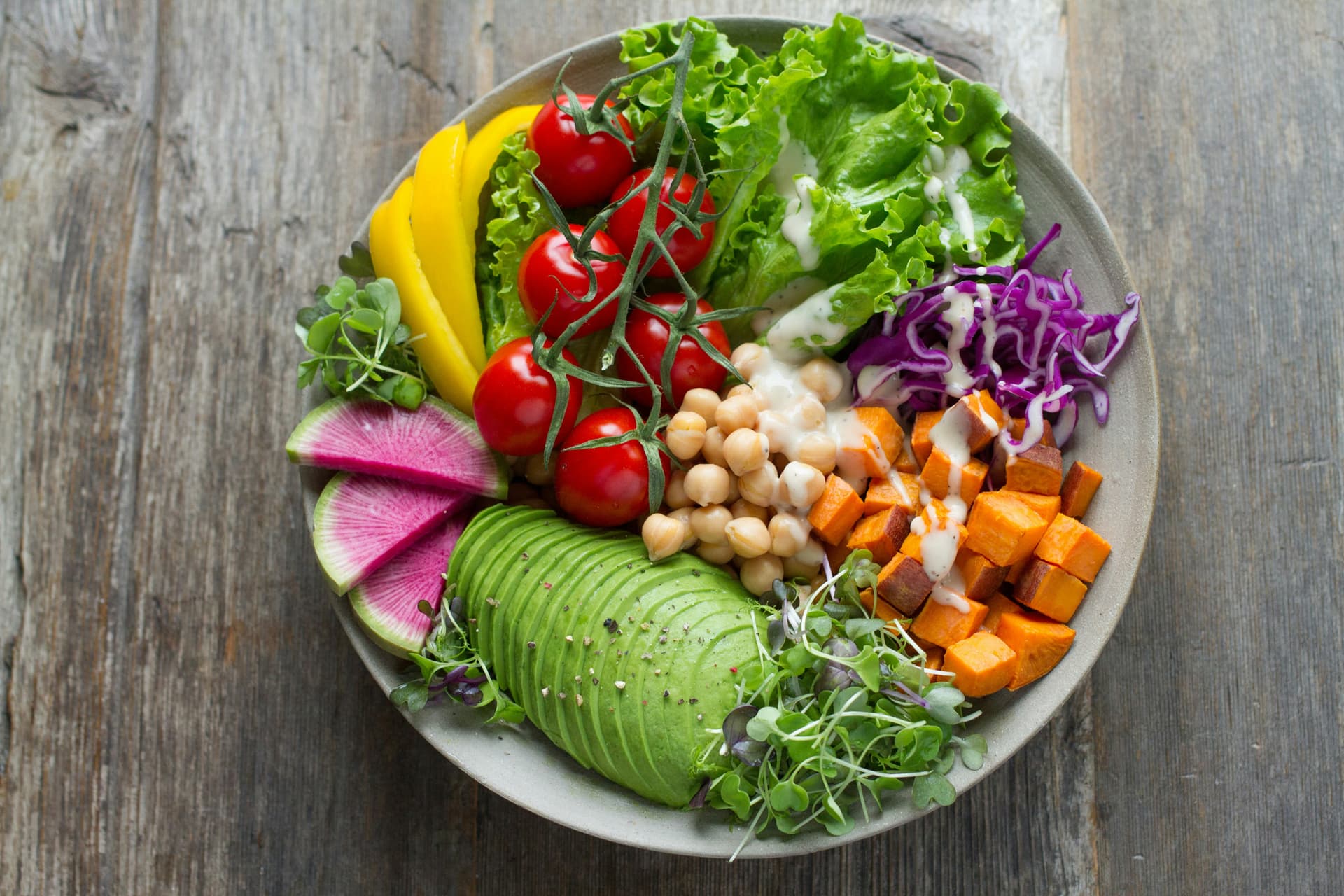
A plant-based diet focuses on foods primarily from plants, including fruits, vegetables, nuts, seeds, oils, whole grains, legumes, and beans. It doesn't necessarily mean that you never eat meat or dairy; rather, you're choosing more of your foods from plant sources.
There's a spectrum of plant-based eating patterns. Some people choose to eliminate animal products entirely (vegan), while others may include small amounts of animal products (flexitarian). The key is that most foods come from plants, not animals, regardless of where on the spectrum you fall.


Health Benefits of Plant-Based Eating
Reduced Chronic Disease Risk
Plant-based diets are associated with lower rates of heart disease, type 2 diabetes, and certain cancers. A 2019 study found a 25% reduction in heart disease risk among those following plant-forward diets.
Weight Management
Plant foods are typically lower in calorie density and higher in fiber, helping you feel full on fewer calories. Research shows plant-based eaters tend to have lower BMIs and less difficulty maintaining healthy weight.
Improved Digestive Health
The high fiber content in plant-based diets supports a healthy gut microbiome, potentially reducing inflammation and improving nutrient absorption throughout the body.
Getting Started: Your First Week
Transitioning to a more plant-based diet doesn't have to happen overnight. Start with these simple strategies:
- Begin with familiar foods: Start by making plant-based versions of meals you already enjoy—try bean burritos, pasta with vegetable sauce, or vegetable stir-fry.
- Follow the 1:1 rule: For every animal product on your plate, add an equal portion of plant food. This simple balance helps you transition gradually.
- Try Meatless Monday: Designate one day a week to explore completely plant-based meals before expanding to more days.
- Focus on addition, not subtraction: Instead of dwelling on foods you're reducing, celebrate the variety of new plant foods you're discovering.
Essential Nutrients on a Plant-Based Diet
While plant-based diets provide most essential nutrients, pay special attention to these key nutrients:
| Nutrient | Plant Sources | Tips |
|---|---|---|
| Protein | Legumes, tofu, tempeh, edamame, nuts, seeds, quinoa | Combine different plant proteins throughout the day |
| Iron | Lentils, beans, tofu, spinach, fortified cereals | Consume with vitamin C foods to improve absorption |
| Calcium | Fortified plant milks, tofu (with calcium sulfate), leafy greens, tahini | Aim for 2-3 calcium-rich foods daily |
| Vitamin B12 | Fortified plant milks, nutritional yeast, fortified cereals | Consider a supplement, especially if fully vegan |
| Omega-3s | Flaxseeds, chia seeds, hemp seeds, walnuts | Include 1-2 tablespoons of ground flax or chia daily |
Remember that dietary needs vary by individual. Consult with a healthcare provider or registered dietitian when making significant dietary changes, especially if you have existing health conditions or special nutritional needs.