Why this Antique Functional Food is Making a Comeback: Why Organ Meats Are 2025's Bright Protein Choice

Table of Contents
While in the present days nutrition enthusiasts chase expensive health food powders and exotic supplements, a exceptional nutritional rising is quietly unravel. The most nutrient-dense foods on Earth aren't found in health food stores or appealing smoothie bowls, they're basically hiding in the forgotten sections of traditional butcher shops and farmers' markets.
Organ meats, one time respected by our ancestors and still revere in culinary traditions worldwide, represent a prototype shift in how we approach optimal nutrition. These ancient health food are experiencing a astounding zenith among health-conscious individuals who understand that true nutritional wisdom often lies in exploration timeless dietary practices.
The Nutritional Highflier Hidden in Plain Sight
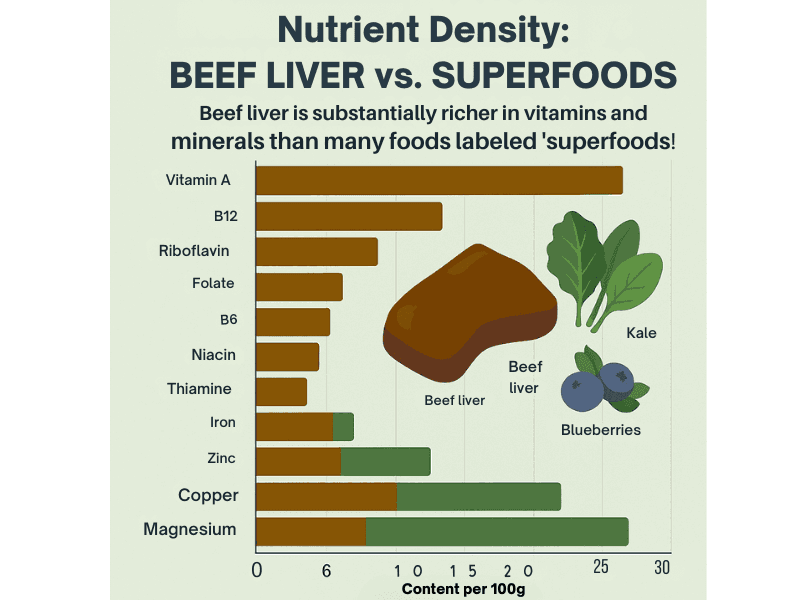
The nutritional profile of organ meats defies conventional understanding of dietary value. Beef liver, for instance, contains approximately 50 times more vitamin B12 than premium steak, while delivering more folate than any other single food source on the planet. This isn't marketing hyperbole it's biochemical reality that challenges our preconceptions about optimal nutrition.
Consider the comparative analysis: a single serving of beef liver provides more vitamin A than most people consume in a week, more iron than a month's worth of spinach, and more CoQ10 than expensive heart health supplements. These aren't isolated nutrients working in pharmaceutical isolation—they're part of a complex nutritional matrix that evolved over millions of years of biological optimization.
Fascinating Fact: Traditional cultures intuitively understood organ meat superiority, in particular Arctic populations thrived on organ-rich diets, while many indigenous societies reserved the choicest organs for pregnant women and growing children.
The Science Backing Nature's Multivitamins
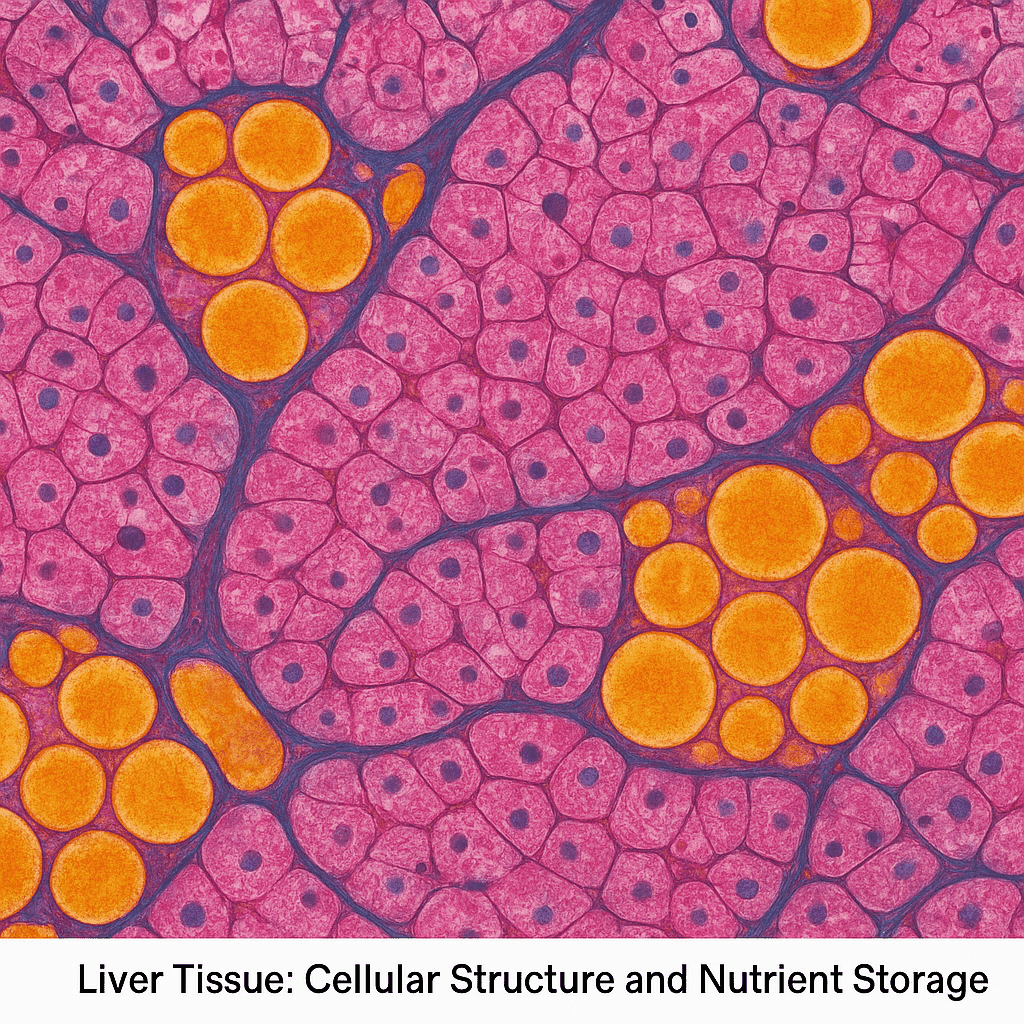
The marvelous nutritional density of organ meats stems from their biological function within living organisms. Organs aren't simply tissues they're metabolic boots-trappers that concentrate essential nutrients to perform life-critical functions. The liver, performing at the same time that the body's primary detoxification and metabolic hub, naturally accumulates the highest concentrations of fat-soluble vitamins, trace minerals, and cofactors necessary for optimal cellular function.
In the present nutritional science divulges that organ meats provide nutrients in their most bio-available forms. Iron from liver exists as heme iron, offering superior absorption compared to plant-based sources. Vitamin A pop up as retinol, immediately usable by the body, rather than requiring conversion from beta-carotene.
Cognitive Enhancement
Rich in choline, B-vitamins, and omega-3 fatty acids that support neurotransmitter production and brain cell membrane integrity.
Energy Optimization
Contains CoQ10, B-complex vitamins, and iron in forms that directly support mitochondrial energy production.
Cardiovascular Support
Provides folate, vitamin B12, and riboflavin that support healthy homocysteine metabolism and arterial function.
Immune Resilience
Delivers zinc, vitamin A, and selenium in concentrations that optimize immune system function and antioxidant defenses.
The Following of Sharp Nutrition
This new age of organ meat consumption represents more than dietary trend, it signals a elemental shift toward nutritional intelligence and ancestral wisdom integration. As modern society grapples with chronic health challenges despite unprecedented access to dietary supplements and heath food, the solution may lie in regain time-tested nutritional practices.
The confluence of traditional knowledge and present-day nutritional science creates convincing evidence for organ meat superiority. These foods provide complete nutritional packages that cannot be replicated through synthetic supplementation or plant-based alternatives. They represent advancement optimization refined over millions of years of biological development.
The future of optimal nutrition lies not in synthetic innovations or exotic superfood discoveries, but in the intelligent application of evolutionary dietary wisdom. Organ meats represent the intersection of ancestral knowledge and modern understanding a pathway toward achieving nutritional optimization through time-tested biological intelligence.
The Judgement: Nutritional Rebirth
Simultaneously we advance into 2025, the proof supporting organ meat consumption becomes increasingly captivating. These foods offer unparalleled nutritional density, economic efficiency, and sustainable protein utilization. The question isn't whether organ meats deserve a place in optimal nutrition—it's whether we're prepared to challenge conventional dietary assumptions in pursuit of true health optimization.
References
1. USDA FoodData Central - Nutritional composition of organ meats
2. Cleveland Clinic (2023). "4 Health Benefits of Beef Liver" - Medical review
3. Harvard Health Publishing (2023). "High-protein foods: The best protein sources"
4. Kerry Health Institute (2025). "Ten Key Health and Nutrition Trends for 2025"
Important Considerations
Individual Variation: Nutritional needs vary between individuals. Consult with healthcare providers before making significant dietary changes, particularly if you have existing health conditions.
Quality Sourcing: Choose organ meats from reputable sources, preferably grass-fed and pasture-raised animals, to ensure optimal nutritional value and safety.
Moderation Principle: While nutritionally dense, organ meats should be consumed as part of a balanced diet. Excessive consumption of certain organs may lead to nutrient imbalances.