Beyond the Hype: Development Tools Every Software Developer Should Master in 2025
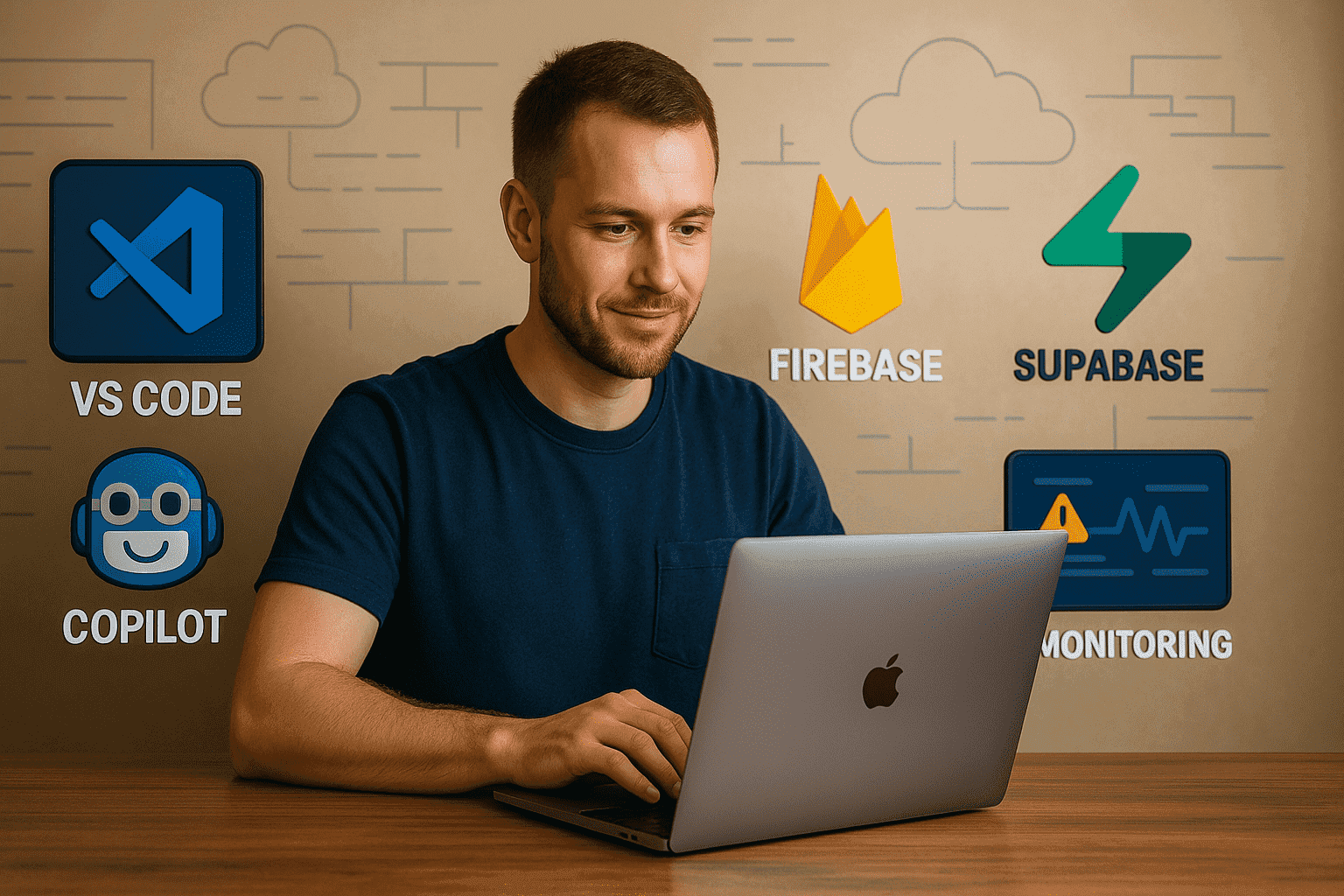
Table of Contents
The world of software development is changing faster than ever. Each year introduces a wave of new frameworks, libraries, and trends—but 2025 stands out for one key reason: developers are no longer judged just by the code they write, but by the tools they use to automate, optimize, and scale their workflows.
Choosing the right development tools today is not about staying trendy; it's about gaining real-world leverage. If you're building modern web apps, APIs, or SaaS platforms, the right toolkit can mean the difference between launching in weeks or wasting months on configuration chaos. In this article, we'll explore the three categories of tools every serious backend developer should master in 2025—and why they matter more than ever.
Productivity Tools: The Age of Dev Containers and AI Pair Programmers
One of the biggest shifts in developer culture is the rise of reproducible environments and AI-powered coding assistants. For years, developers fought environment issues: "It works on my machine" became a meme. Now, tools like VS Code Dev Containers, powered by Docker, are helping eliminate that headache completely.
Meanwhile, the rise of AI code assistants like GitHub Copilot or Cursor AI is redefining productivity. These tools go beyond autocomplete—they suggest entire functions, help refactor old code, and even write unit tests based on your comments. As backend developers juggle routing logic, database queries, and API layers, these assistants act like silent partners, saving hours each week.
Fascinating Fact: According to GitHub's 2024 developer survey, developers using Copilot shipped code up to 55% faster, with fewer context switches and less burnout. In 2025, skipping this kind of tool means missing a major productivity leap.
Backend Architecture: Serverless, Firebase, and the Rise of Developer-Centric Platforms
The backend no longer lives inside big monolithic apps. Instead, it's distributed, dynamic, and often completely serverless. Tools like Firebase remain staples—offering authentication, real-time databases, and serverless functions with tight frontend integration. But newer platforms like Supabase are gaining traction by offering an open-source Postgres-based alternative that blends traditional SQL with modern real-time features.
More interesting, though, are tools like Convex, Inngest, and Temporal—which help you build resilient, reactive backends without worrying about traditional DevOps. Whether you're coordinating background jobs or setting up business workflows, these tools abstract complexity so you can focus on logic.
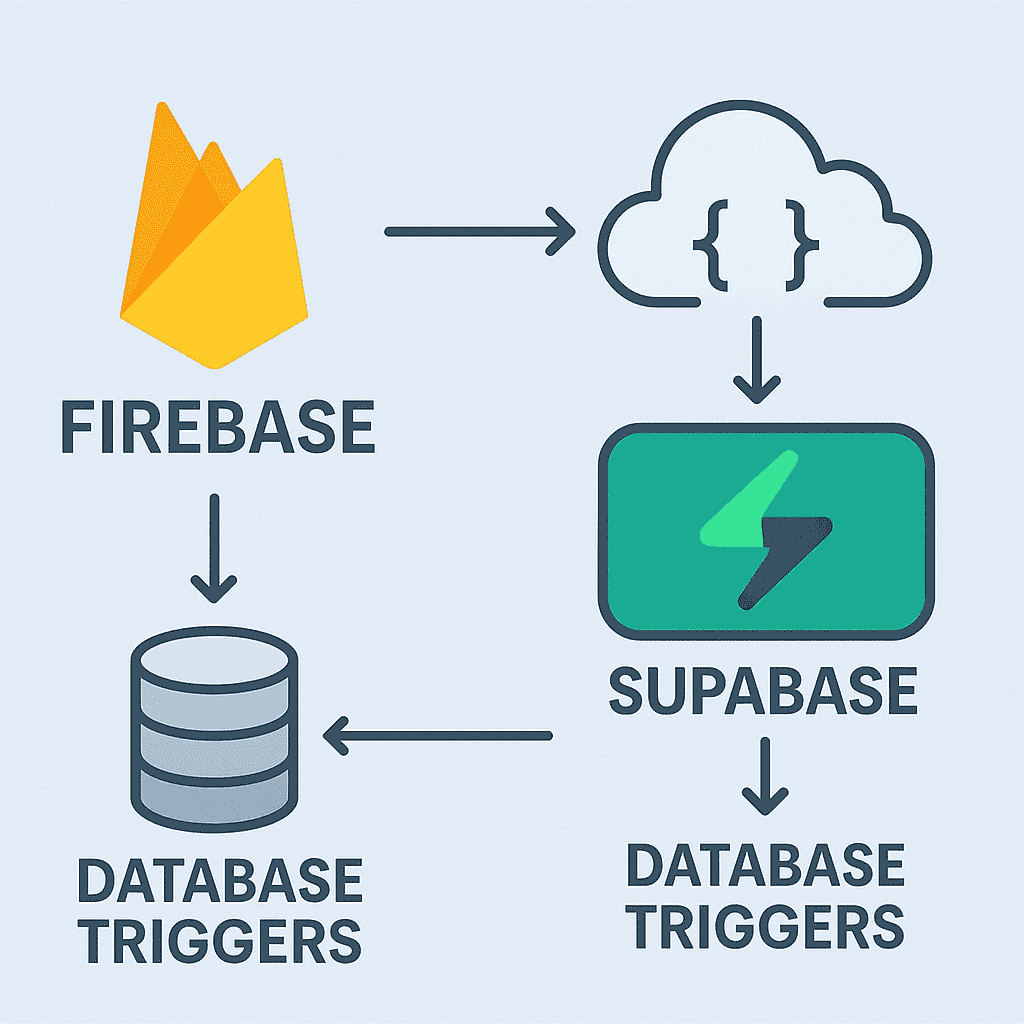
Firebase & Supabase
Real-time databases with authentication, serverless functions, and tight frontend integration for rapid development cycles.
Serverless Platforms
Tools like Convex and Inngest abstract DevOps complexity, letting you focus on business logic rather than infrastructure management.
Key Insight: Backend tooling in 2025 is not just about storage and compute—it's about developer experience (DX). The most successful tools now deliver great documentation, live collaboration features, and simplified observability out of the box.
Observability and Automation: Monitoring That Thinks Ahead
Gone are the days when logs and alerts were enough. Today, observability needs to be proactive. That's why tools like OpenTelemetry, Highlight.io, and Sentry have become essentials. They give you detailed traces, real-time error reports, and user session replays—letting you understand problems before users even submit tickets.
For infrastructure monitoring, classics like Prometheus and Grafana are still widely used, but many developers are now integrating AI-driven anomaly detection, automated slack alerts, and performance baselines. This saves precious hours during production incidents and reduces MTTR (mean time to resolution) significantly.
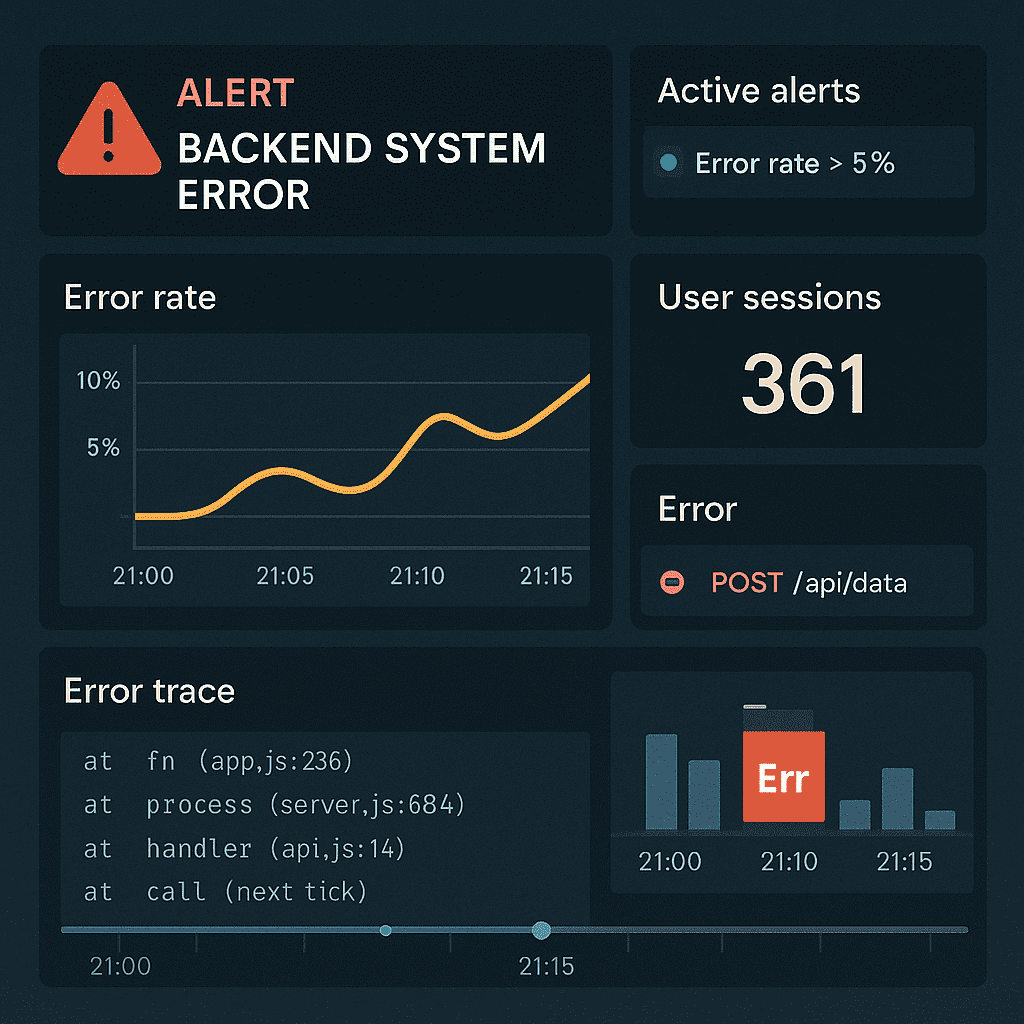
Error Tracking
Sentry and Highlight.io provide real-time error reports and user session replays for proactive debugging.
AI Monitoring
AI-driven anomaly detection and automated alerts reduce response times and prevent outages.
Infrastructure
Prometheus and Grafana remain industry standards for metrics collection and visualization.
Meanwhile, automation isn't just about CI/CD anymore. Platforms like Railway and Render help developers deploy full-stack apps with built-in observability, domain management, and database provisioning—all from a slick UI or CLI. For small teams and solo developers, this replaces entire DevOps departments.
The Tools You Use Define How Fast You Build
Tooling in 2025 is no longer a luxury—it's your competitive edge. As a backend developer, the speed, scalability, and reliability of your product now depend on how well you leverage these platforms and assistants. AI is your pair programmer, serverless is your backend engine, and automation is your silent teammate.
But the most important thing is this: good tools multiply your time. They don't just make you faster; they make you better. And in a world where launch velocity and system resilience matter more than ever, that's the edge you need to stay ahead.
The Future is Tool-Driven Development
In 2025, your success as a developer isn't just measured by your coding skills—it's determined by how effectively you leverage the right tools to build, deploy, and maintain exceptional software. Choose your toolkit wisely.
References
1. GitHub Developer Survey 2024 - Productivity metrics for AI-assisted development
2. Docker Dev Environments - Reproducible development setups
3. OpenTelemetry Documentation - Observability framework and standards
Important Considerations
Tool Selection:The tools mentioned in this article are based on current industry trends and developer feedback. Always evaluate tools based on your specific project requirements, team size, and technical constraints.
Learning Curve:While these tools can significantly improve productivity, factor in the time investment required to learn and integrate them effectively into your workflow.